
I come out and look at the basement myself
When you call or send a message, we set up a visit, and I come out to see the walls, the floor above and what's installed down there. We've been in business since 2013.
Cold floors over the basement or a chilly room downstairs? We figure out walls or floor first, then insulate the one that matters.
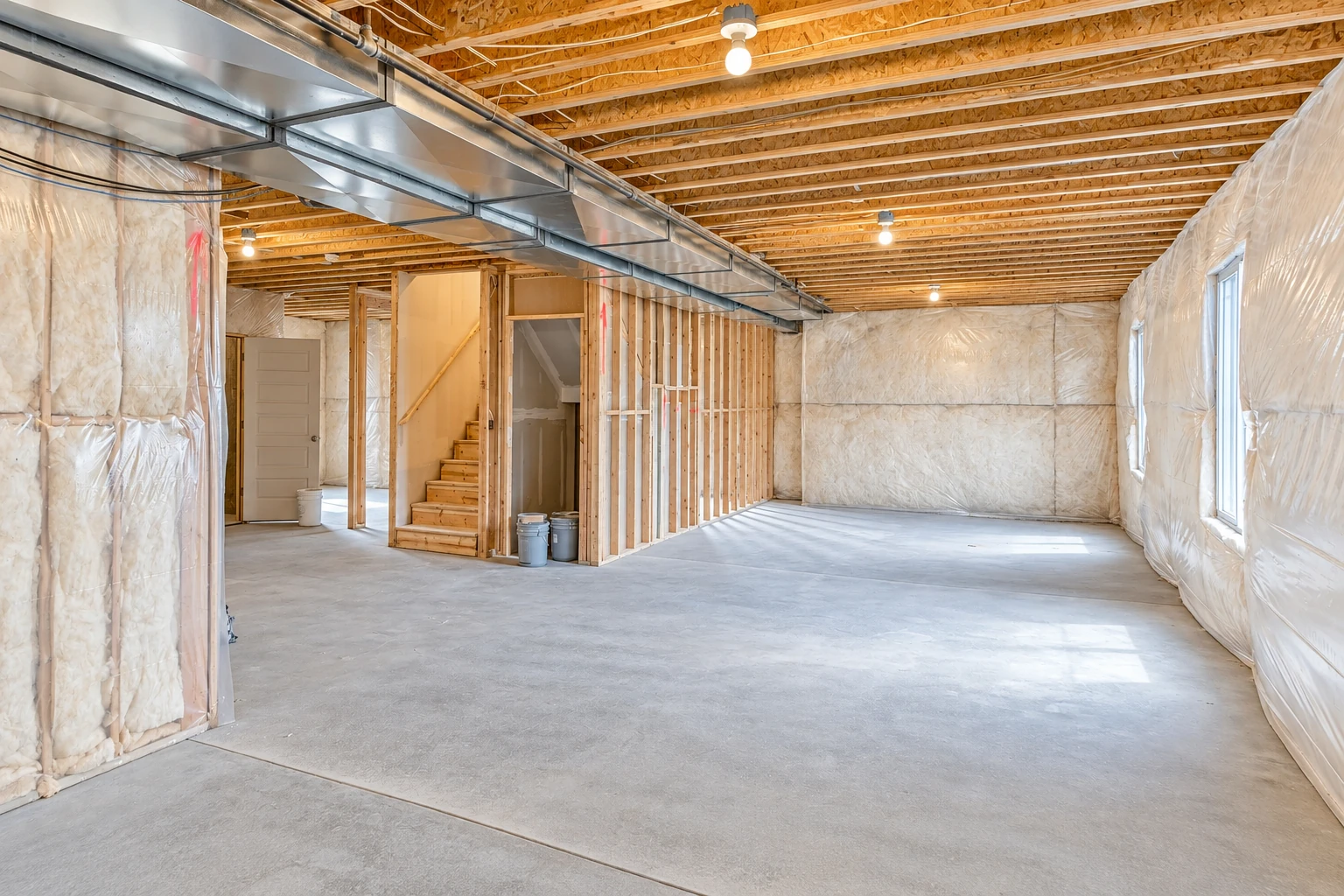
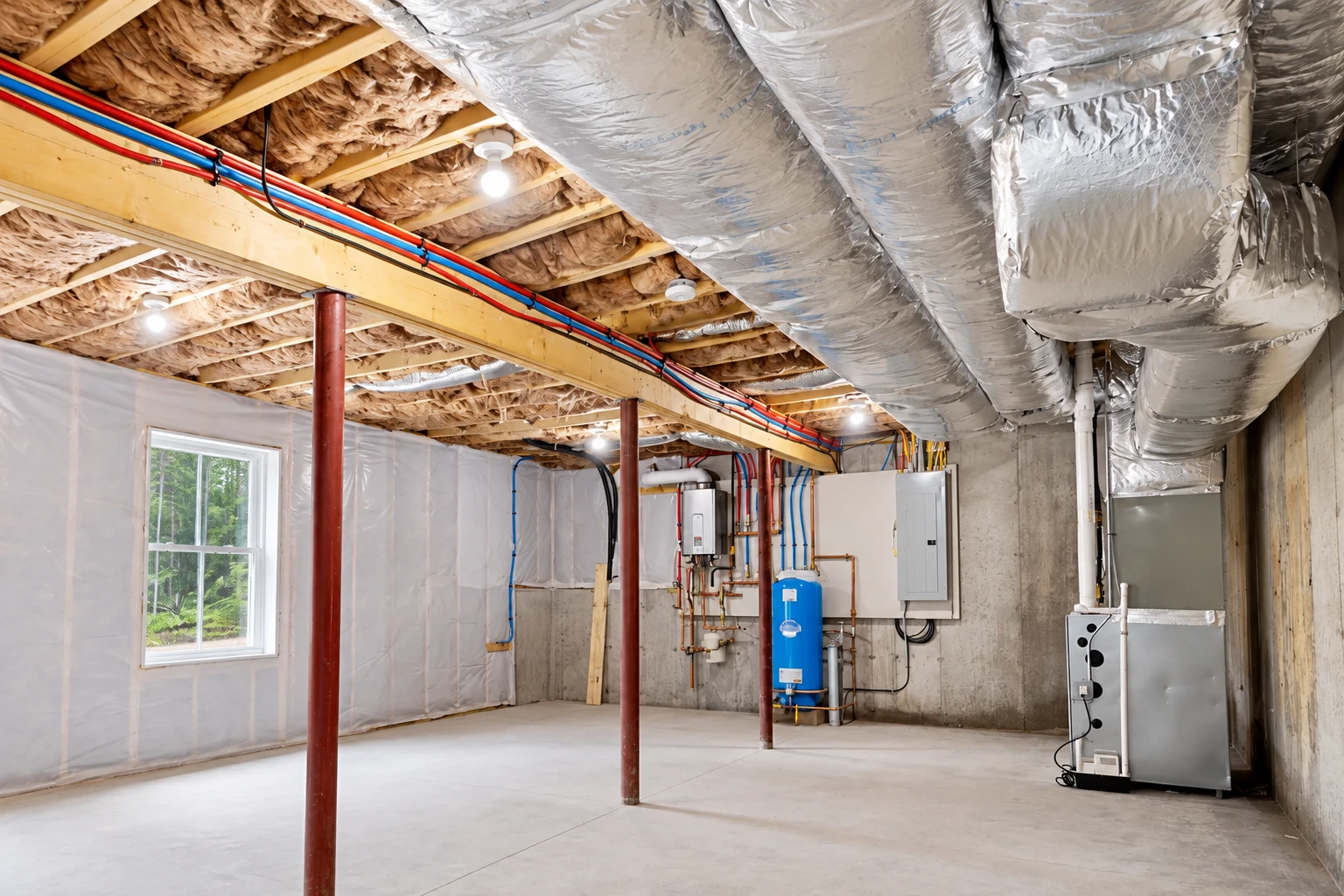
Basement insulation in Aliso Viejo puts insulation on the basement walls or in the floor above, usually between the joists, so you end up with a usable room downstairs or warmer floors over it.
Most people who call about a basement have cold floors over it, or a room down there they'd like to use instead of just storing things in it. Those two goals usually lead to different jobs, so how you plan to use the space shapes everything we put on the estimate.
The price moves with the square footage, whether we're working on the walls or the floor above, the method you pick, whether the walls are already finished, and anything that has to be fixed before insulation goes in. The schedule turns on the same things, since new framing and drywall take time and a repair has to come first. After I look at the space, I write down what I find, so you see your own figure and the order of the work before you decide.
Here's how it goes from your first call to the day we pack up.
When you call or send a message, we set up a visit, and I come out to see the walls, the floor above and what's installed down there. We've been in business since 2013.
I write down each step of the job, starting with anything that has to be fixed before insulation goes in. That way you know what the work is and why it comes in that order before you agree to anything.
Our own crew does the work in the order the estimate lists, and I look it over before we call the job finished. Aliso Viejo allows construction Monday to Friday from 7am to 8pm and Saturday from 8am to 8pm, with none on Sundays or federal holidays, so we book your days inside those hours. We're licensed and fully insured.
First we settle whether the basement counts as living space, because that decides whether we insulate the walls or the floor above it. Then we pick the method that fits your walls and how finished they are, and we plan for what goes over the insulation. Building-science guidance calls for foam that isn't fire rated to be covered with a code-approved ignition barrier, a layer that keeps flame off the foam, or with something fire rated like drywall, so if you choose spray or rigid foam, that covering is part of the job from the start. The same guidance keeps plastic sheeting and foil-faced boards off the room side of fiberglass batts, blown cellulose or mineral wool on basement walls, so it's fair to ask us what will cover the insulation before the drywall goes up.
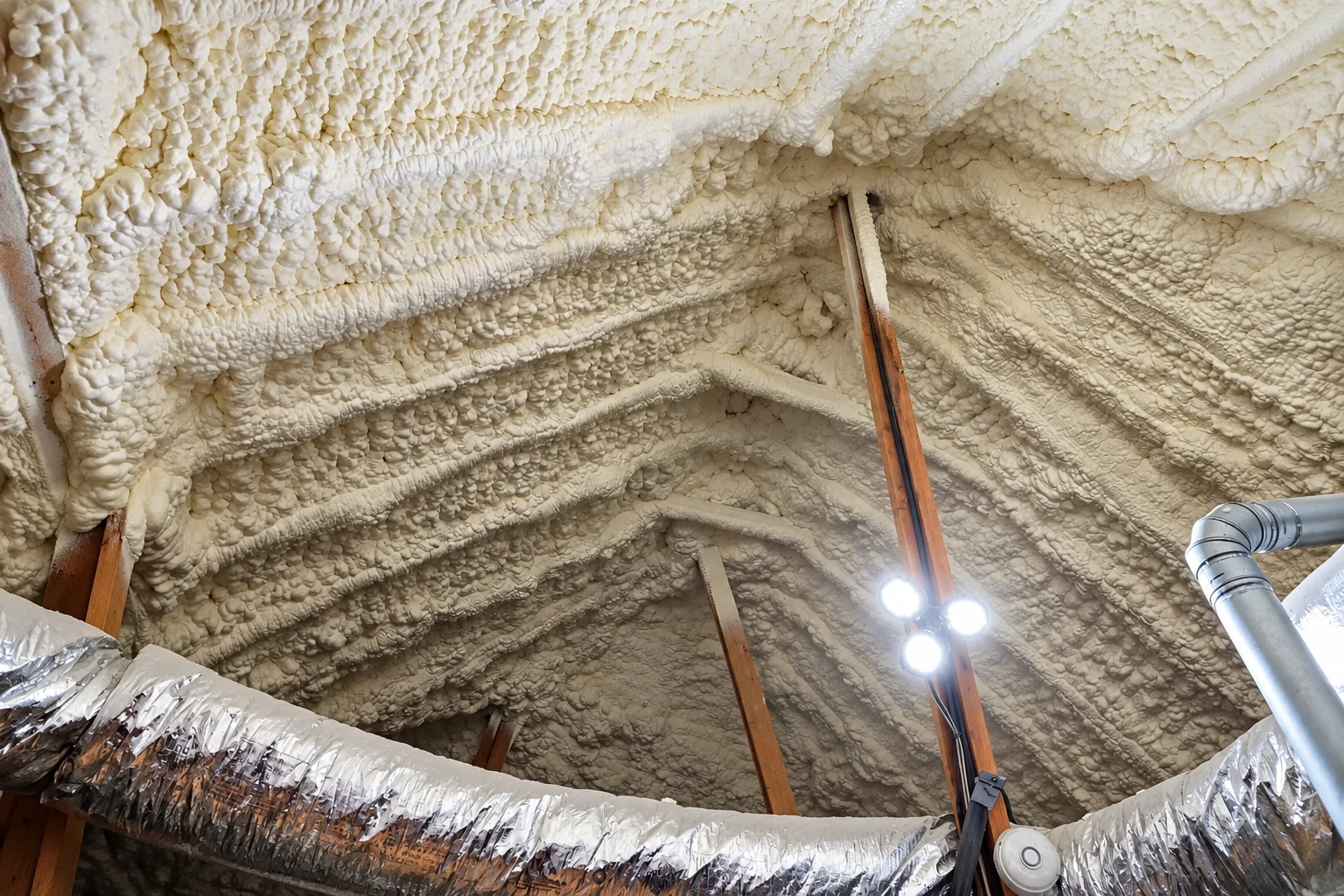
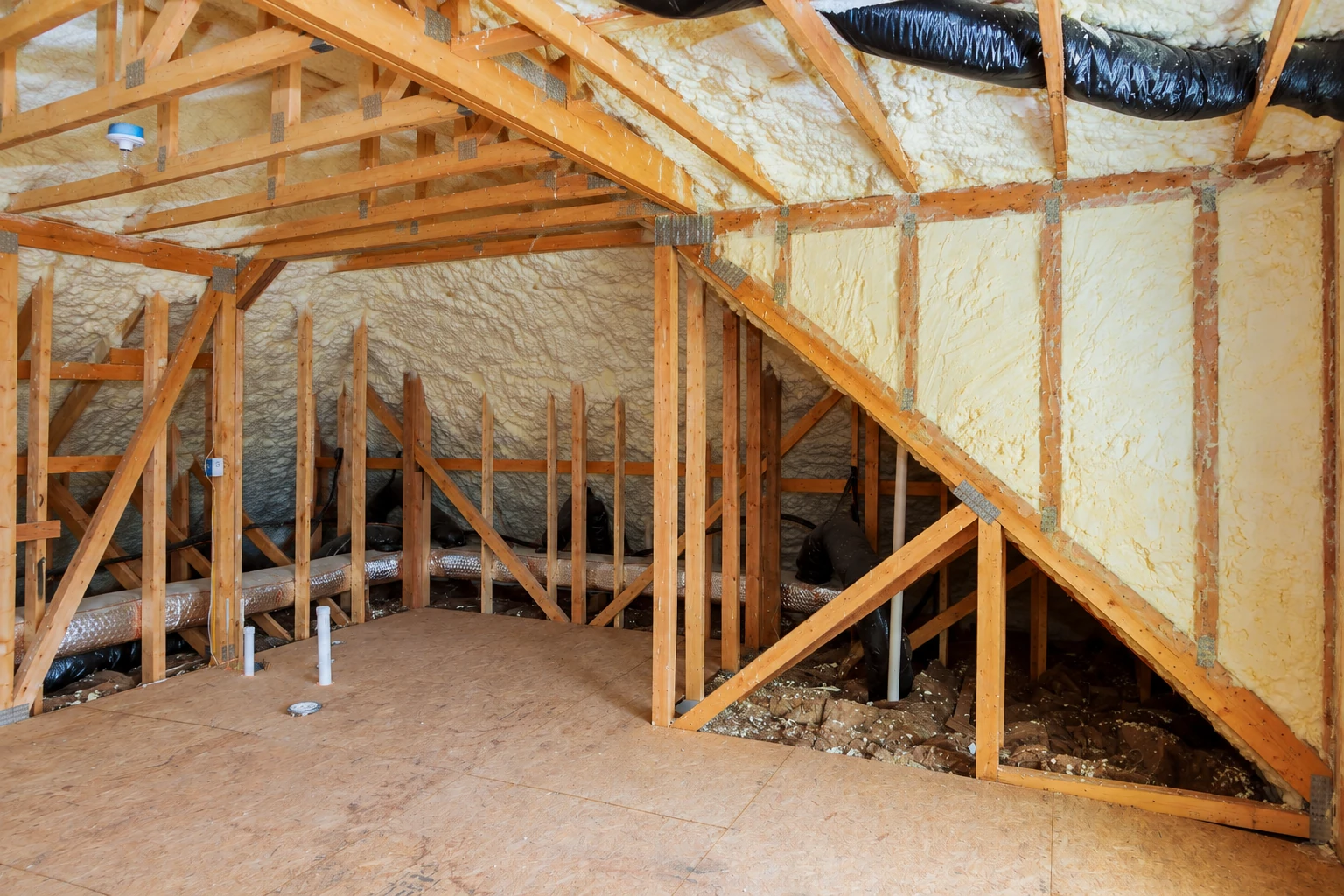
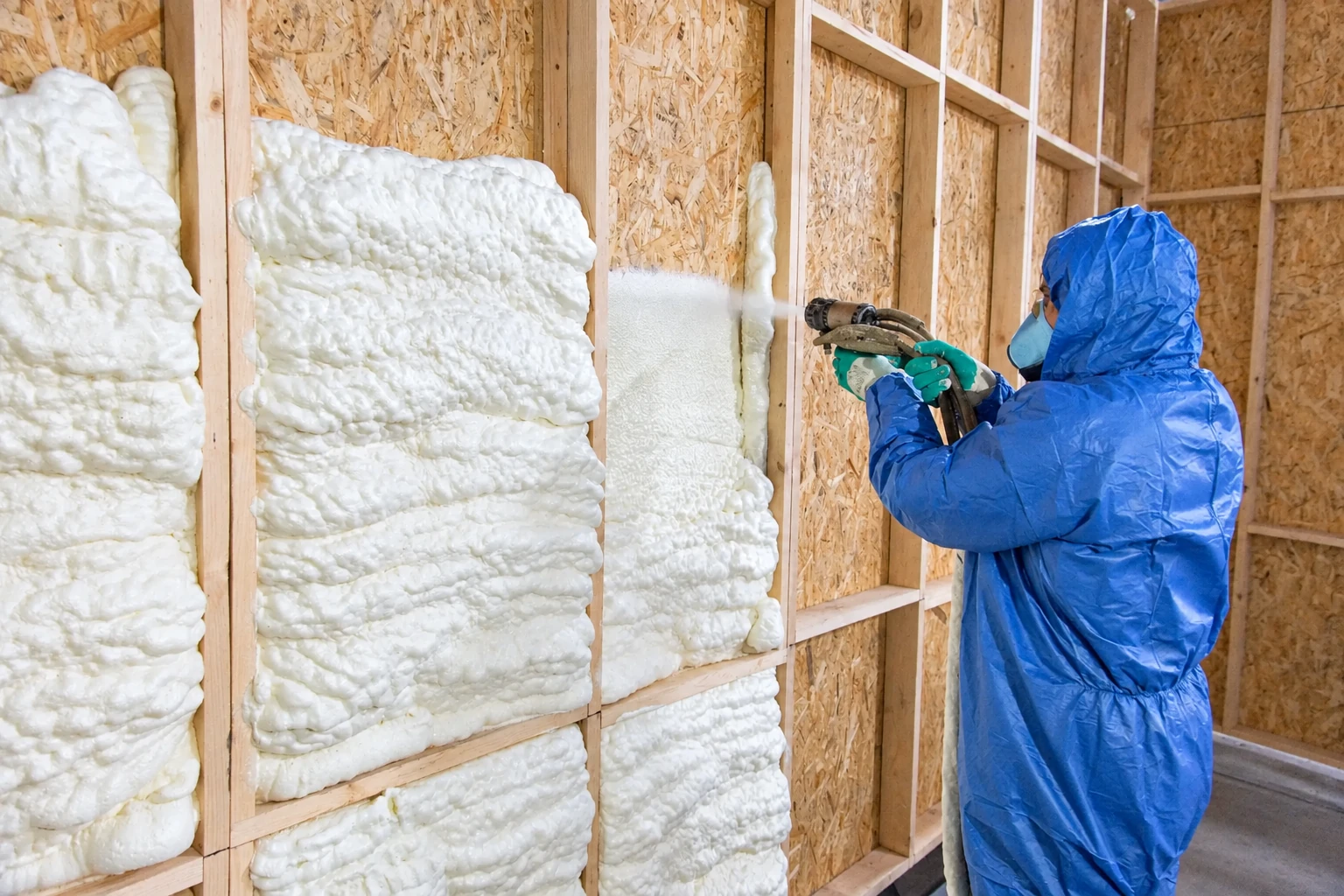
Foam suits some basements, and we install both closed-cell foam insulation, the dense kind, and open-cell foam insulation, the lighter, softer kind. If your walls or floor call for one over the other, I'll say so on the estimate and tell you why.
Each step comes when it does for a reason, and most of those reasons are about not hiding a problem under new insulation.
We move what's in the way and cover what's staying, because the crew needs room at the walls or under the joists. It also keeps dust off your things.
Any damage or damp spot on the estimate gets dealt with before anything else. Insulation laid over it just hides the problem.
We close gaps around pipes, wires and other openings so the new insulation isn't fighting a draft. If a gas or oil furnace or water heater lives down there, ENERGY STAR suggests having a Home Performance Contractor test it before and after sealing, since in some cases sealing can make a naturally venting appliance send its exhaust back into the house.
The insulation goes on the walls or between the joists as the estimate says, and any covering that's part of the job goes over it. Then we clean up and show you what went in where.
Call (949) 619-8040 or fill out the form, and tell us the basement's rough square footage, whether it's finished, whether you'll use it as living space, and whether there's a gas or oil appliance down there. We respond within 1 business day to set up a visit, and the quote is free and done at your home. There's no pressure to book, and after I look at the space you get a written estimate that lists each step and anything that has to be fixed first.
(949) 619-8040Insulate the walls if the basement will be part of your living space, and the floor above if it won't. Wall insulation generally performs better but often costs more, since it takes more material and labor, which is why some owners insulate the floor, especially when they're adding insulation to a house that's already built. If you plan to use the room, I'd do the walls, because insulating the floor leaves the room downstairs outside the warm part of the house.
From the inside, you can have spray foam or rigid foam panels put right on bare walls, or a framed wall filled with batts or blown-in loose fill and finished with drywall. The outside of the wall is the best place for insulation, but it's usually impractical on an existing house, so inside is where most owners end up. If your basement is already finished, installers can drill holes and blow insulation into the wall cavities so the walls stay in place.
Across the US, insulating a basement usually costs about $4.40 to $6.40 per square foot. That's a national figure, not our price and not an Aliso Viejo one, so treat it as a rough guide. Your own number comes from the estimate after I've seen the space.
Contractors in California's C-2 Insulation and Acoustical Contractor class are licensed for this work. That class covers installing any insulating material for temperature or sound control, so it covers a basement the same as an attic.
The City of Aliso Viejo lists Climate Zone 6 in its building design requirements, and that matters because California's energy efficiency standards for the materials in a house's outer shell, insulation included, depend on the climate zone. If you have a question about the city's building rules for your house, the city's Building & Safety office takes calls at 949-425-2540.
We're based in Aliso Viejo and work in cities across Orange County, including Laguna Niguel, Mission Viejo and plenty more nearby. Most of our calls around here are about hot upstairs rooms and high power bills, and a basement or other below-grade room gets the same careful look before we decide anything.
If you're not sure your room counts as a basement, describe it on the form or call (949) 619-8040, and I'll tell you what I'd want to look at first.
If something about the room downstairs has you wondering, send us a note and we'll talk it through.
Tell us about your project