
Dedicated Insulation Contractor in Aliso Viejo CA - Comfortable Rooms Upstairs and Down
Quality Aliso Viejo Insulation Services does attic insulation and air sealing in Aliso Viejo and nearby cities like Laguna Niguel and Mission Viejo. We also pull out old, dirty insulation and fix the room over the garage that stays hot.
- Licensed and fully insured.
- Free quotes on site.
- We respond within 1 business day.
An insulation crew that started in the attic
We're licensed and fully insured, and we're best known for doing air sealing and insulation in the right order, with no shortcuts. Most of our calls come from homeowners with hot upstairs rooms or high power bills, plus a few property managers. You can read more about how we started and how we work.
About our businessI started out as a helper on a small insulation crew, hauling hose and bags up into hot attics and learning from people who were fussy about the details. I opened Quality Aliso Viejo Insulation Services here in Aliso Viejo in 2013, and 13 years later I still climb into most attics myself.
Insulation contractor services in Aliso Viejo, CA
Quality Aliso Viejo Insulation Services is an insulation contractor in Aliso Viejo, and the 16 services below cover attics, walls, crawl spaces, foam and the sealing that should come before all of it. The price mostly turns on what's already up there. That means how many inches are left, whether old material is soaked or dirty and has to come out first, how many gaps need sealing and whether you go with foam or loose fill. The schedule turns on those same things, plus how easy the space is to get into. I look at it in person on a free estimate and write down what I find, so you know what has to happen first.
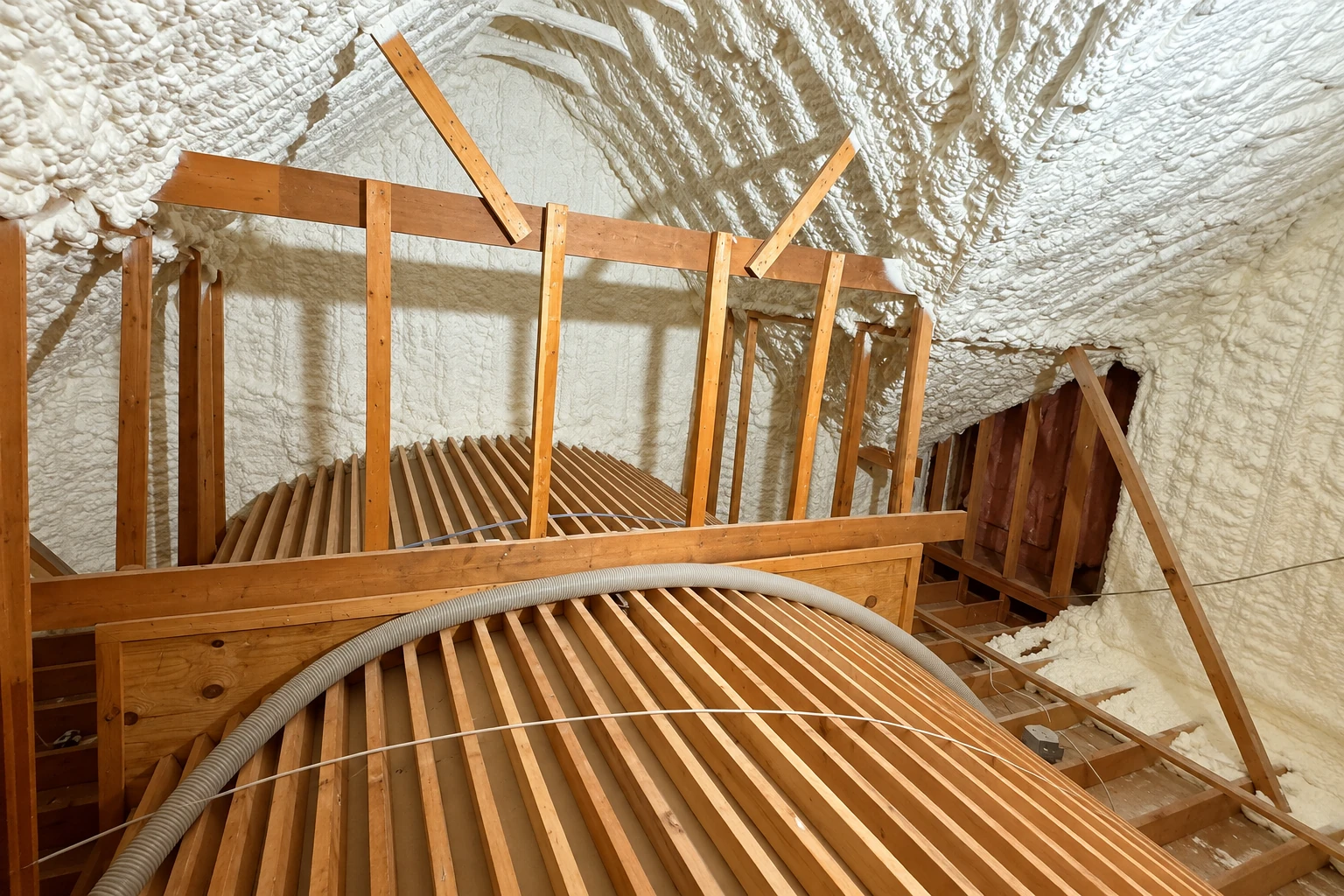
Spray foam insulation
Spray foam goes on as a liquid and expands to fill the gaps, so it insulates and seals air in one pass. You'll usually need to be out of the house while it's sprayed, and we tell you the re-entry time, when it's safe to come back in, before we start.
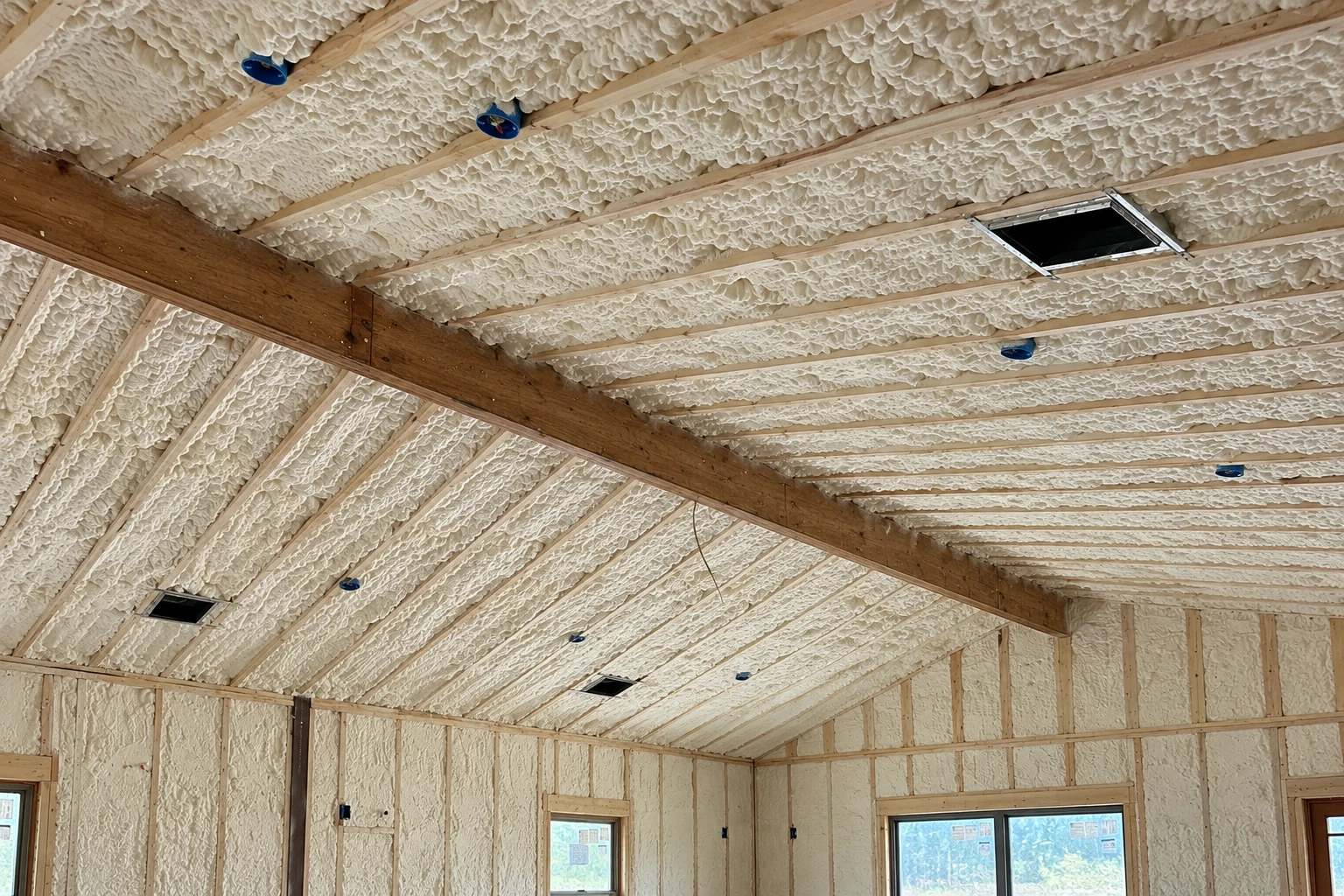
Attic insulation
Hot upstairs, or a power bill that climbs every summer? We check how many inches are already up there, seal the gaps, then bring the whole attic up to depth with the edges as deep as the middle.
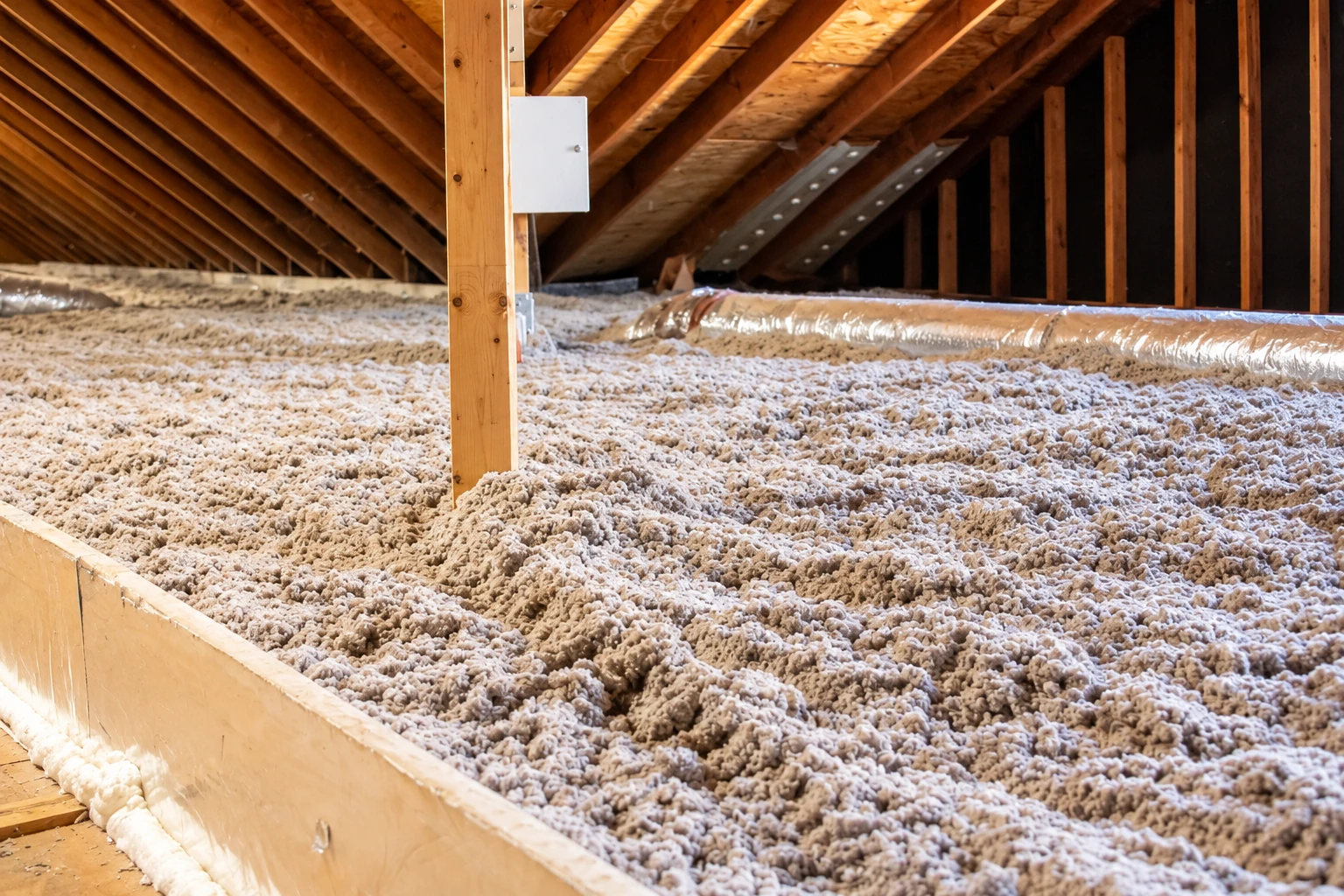
Blown-in insulation
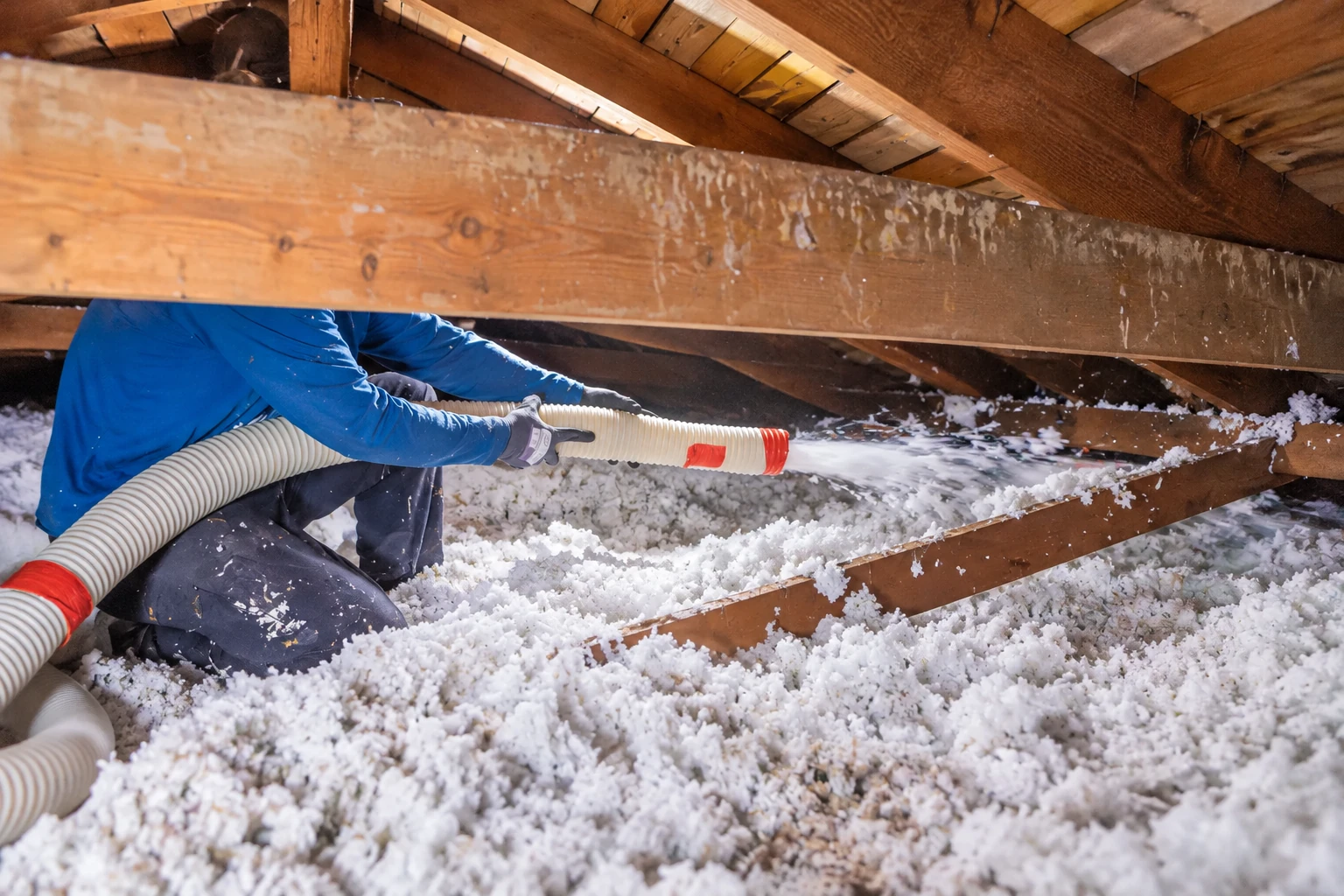
Blown-in insulation is loose fill blown through a hose, and it's the usual way to top up an attic that has settled thin over the years. It fills in around wiring and framing well, and we keep it back from the eave vents so the attic can still breathe.
Home insulation
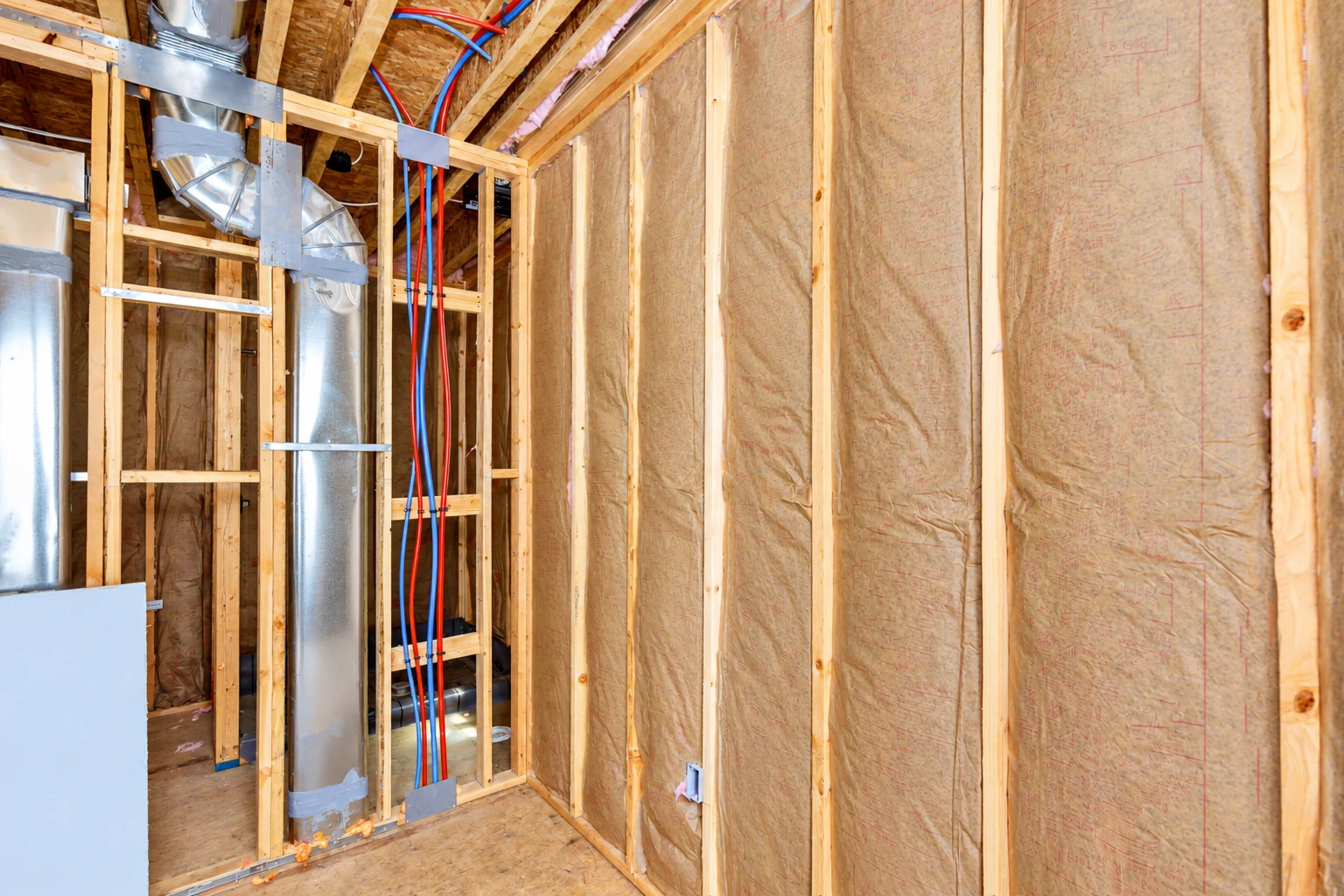
When the whole house feels drafty, we look at the attic, walls and floors together and tell you where the money does the most good. It's for homeowners who want one plan instead of chasing one cold room at a time.
Insulation removal
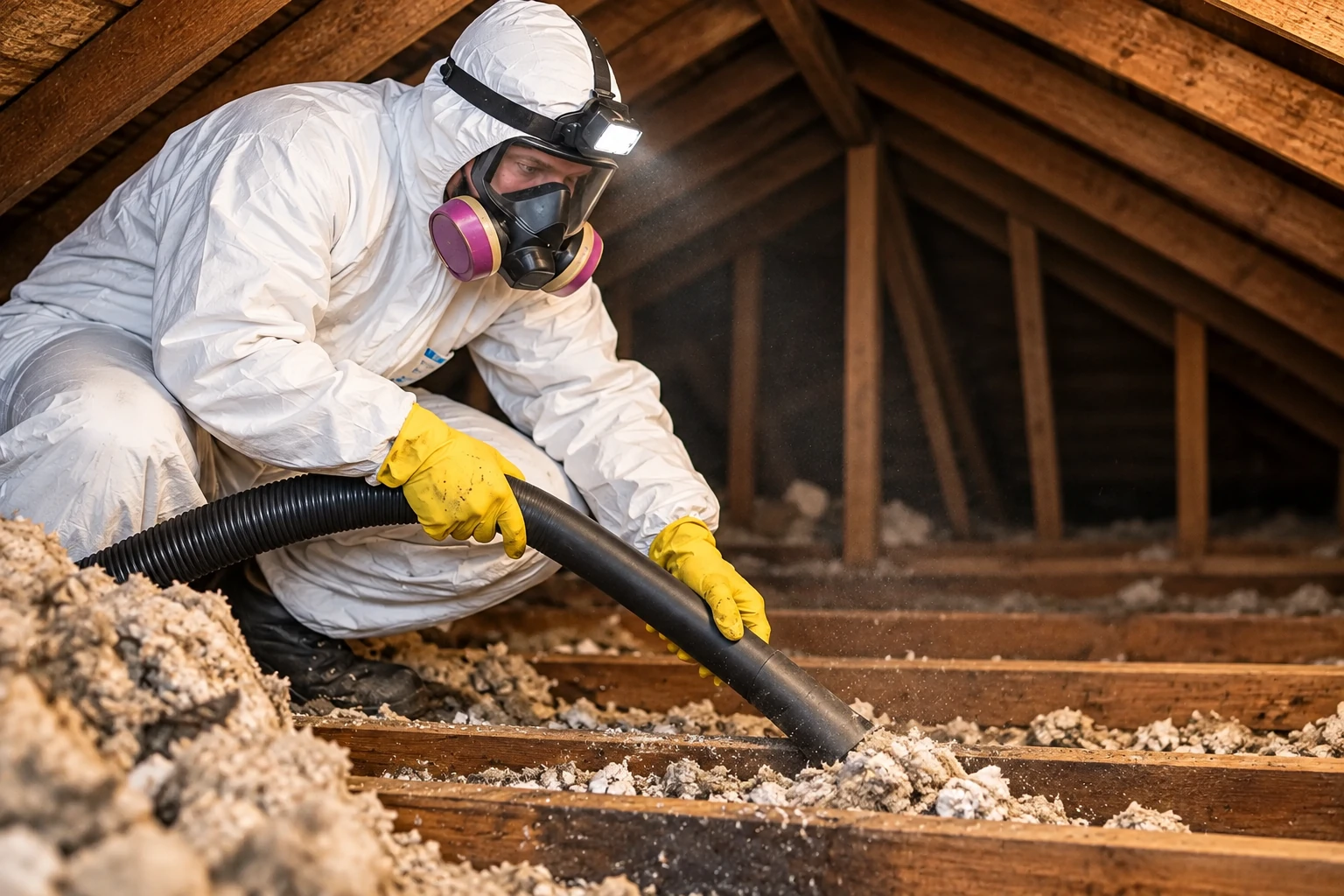
We pull out old insulation that's soaked, flattened or full of droppings, because new material laid on top of it just keeps the problem. Once it's out, we clean up and seal the attic before anything new goes in.
Crawl space insulation
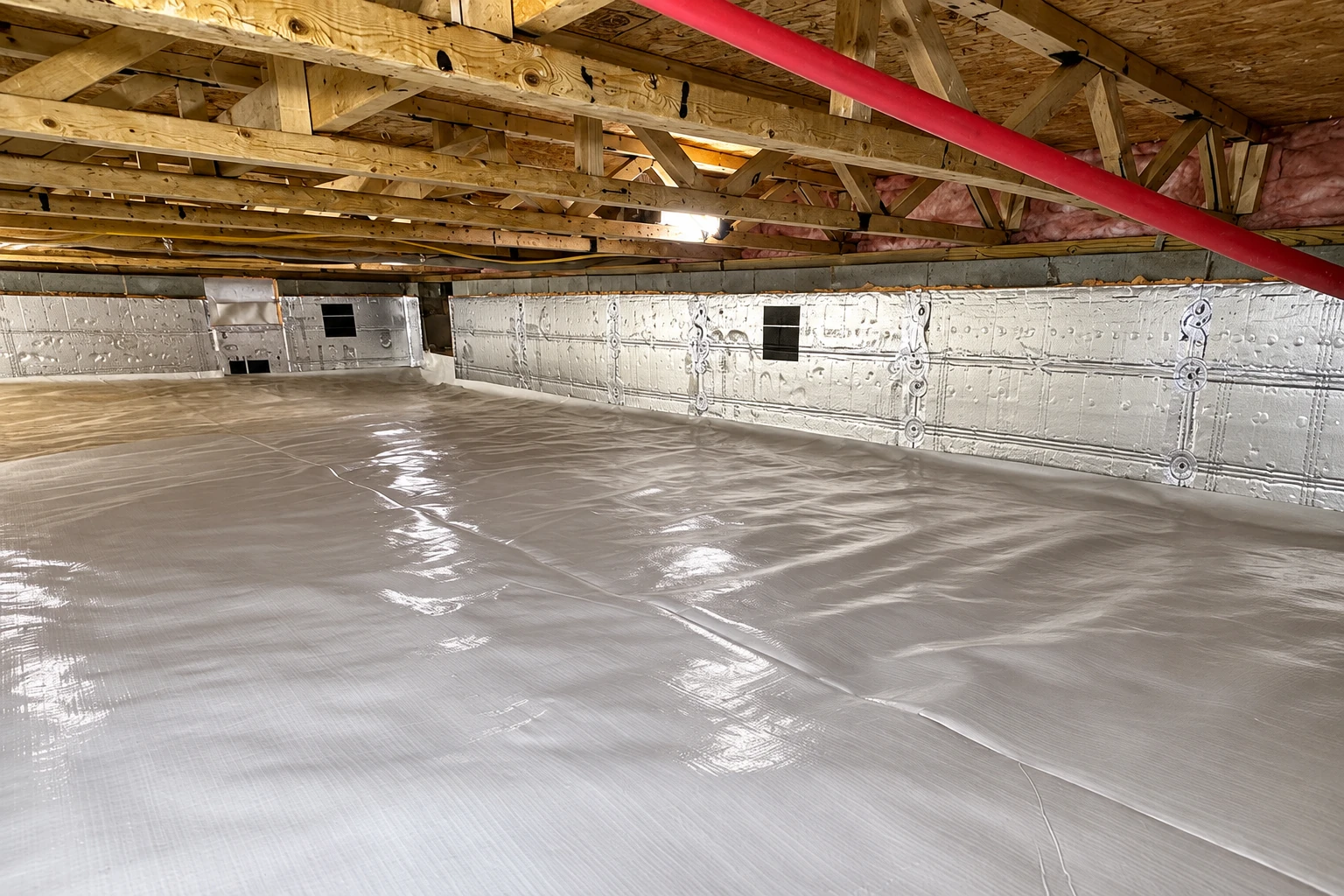
Cold floors usually start in the crawl space underneath them. We insulate between the floor joists down there so the rooms above stop pulling cold up from the ground.
Wall insulation
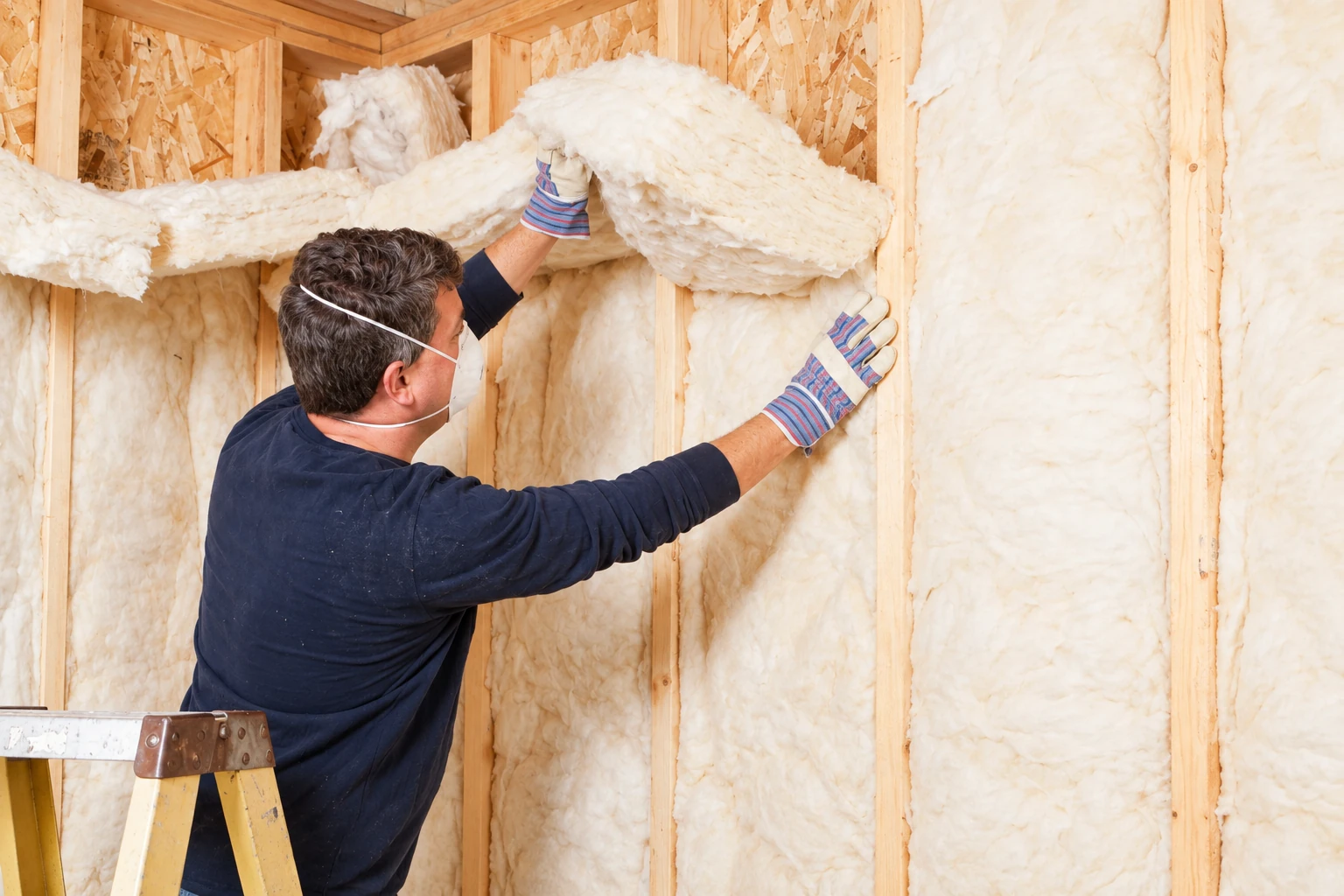
Can your walls be insulated without tearing out drywall? Usually yes, and we check the cavities first, then fill closed exterior walls or open walls during a remodel.
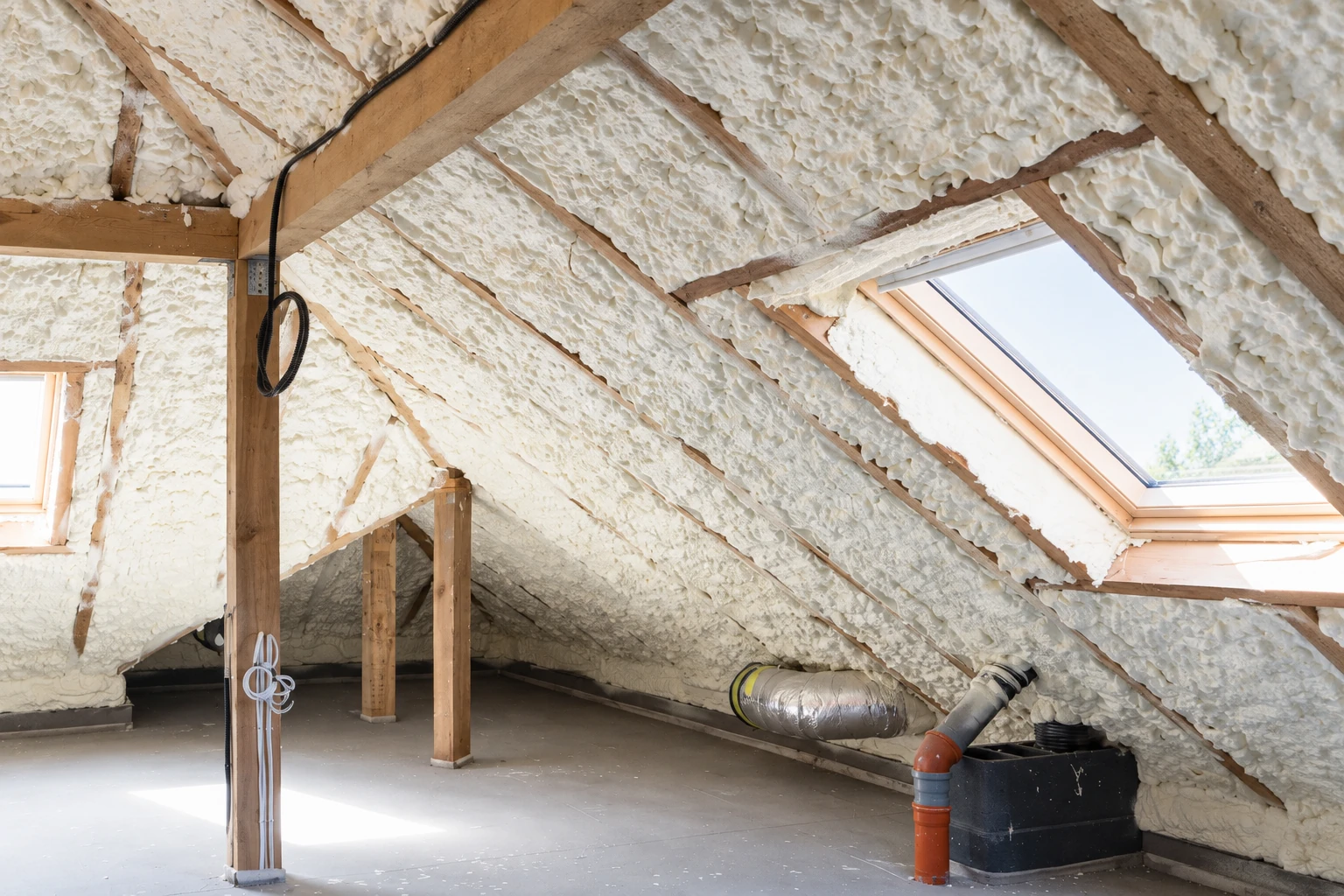
Air sealing services
Air sealing is closing the gaps that let air leak in and out before any insulation goes in. Around the house, that means outlets on outside walls, pipes under sinks and the wall between the garage and your living space.
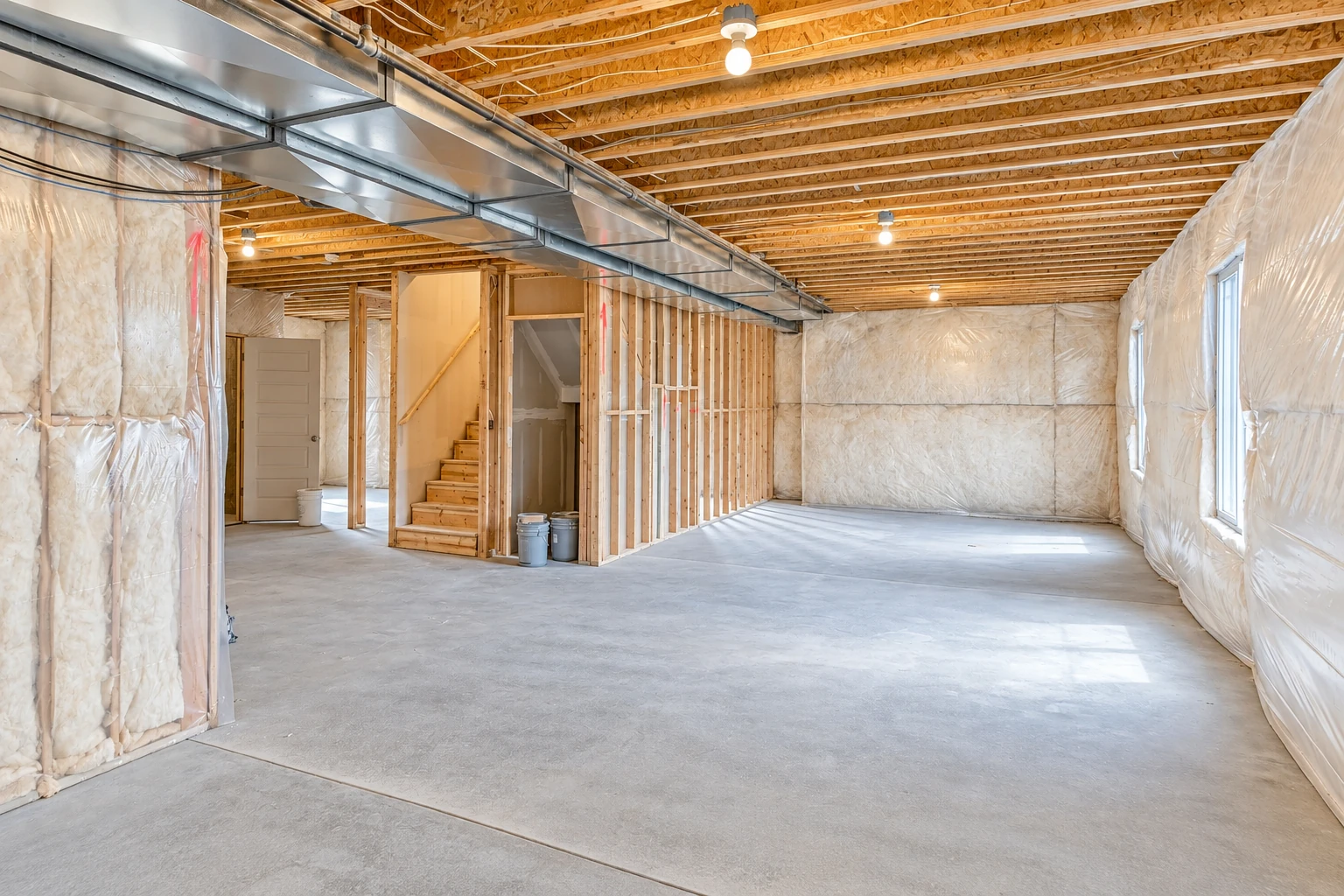
Basement insulation
We insulate basement walls and rim joists, the framing that sits right on top of the foundation, so a lower room stays dry and comfortable enough to use.
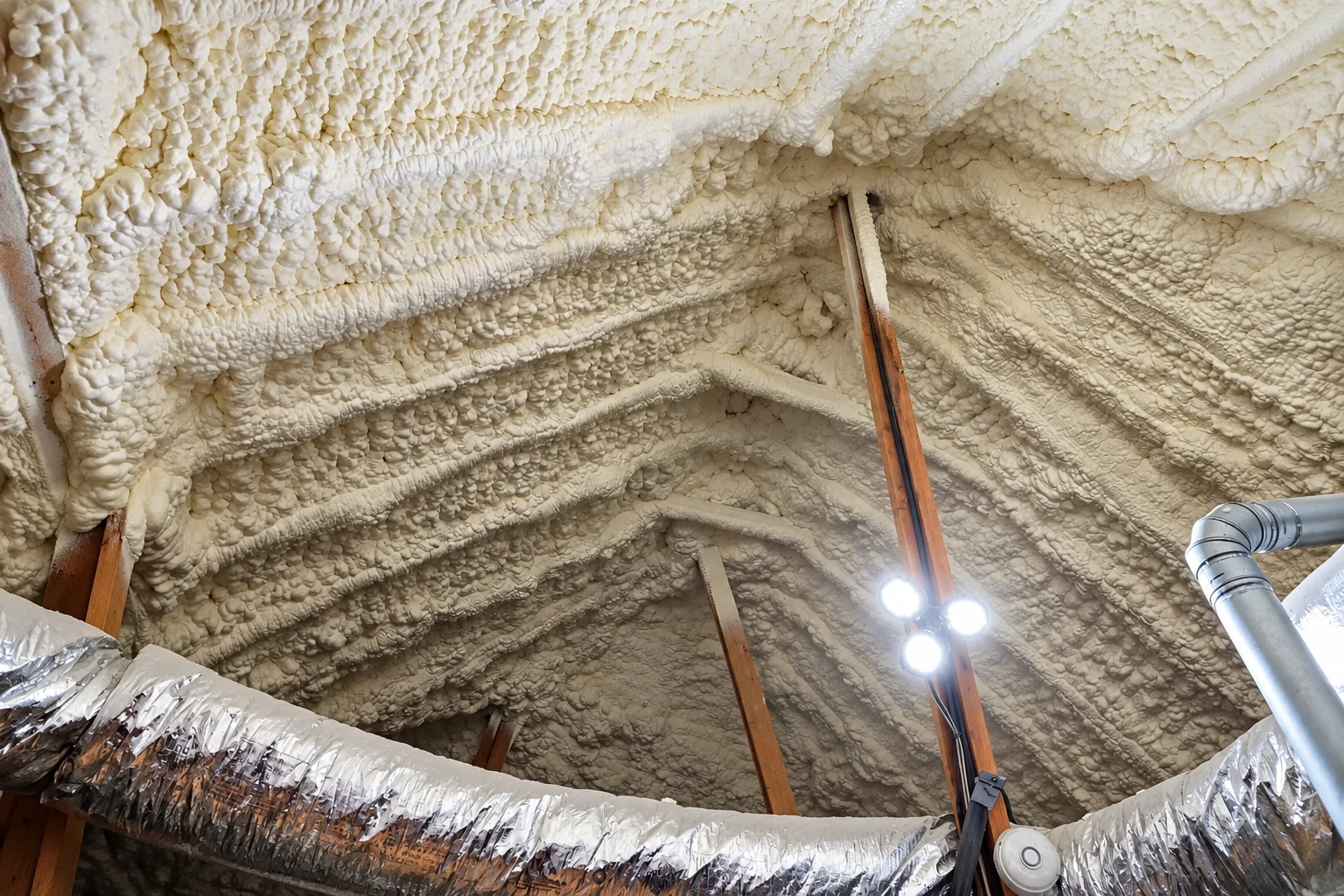
Closed-cell foam insulation
Closed-cell foam is dense foam that also blocks moisture. We use it where dampness is a concern or where a tight spot needs a lot of insulation in very little depth.
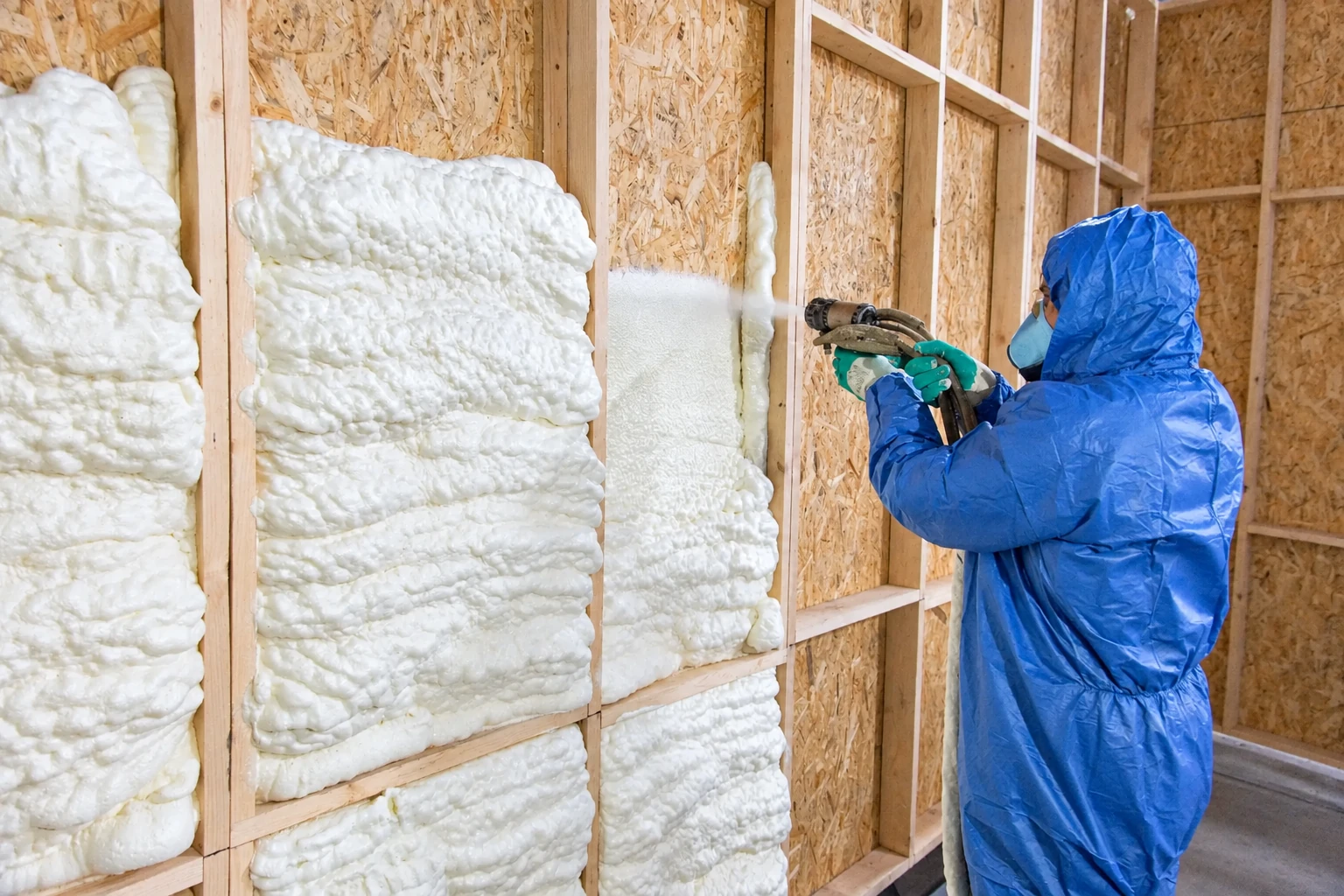
Open-cell foam insulation
Open-cell foam is the lighter, softer kind of spray foam. It suits rooflines and interior walls where you want air sealed and sound quieted but don't need a moisture barrier.
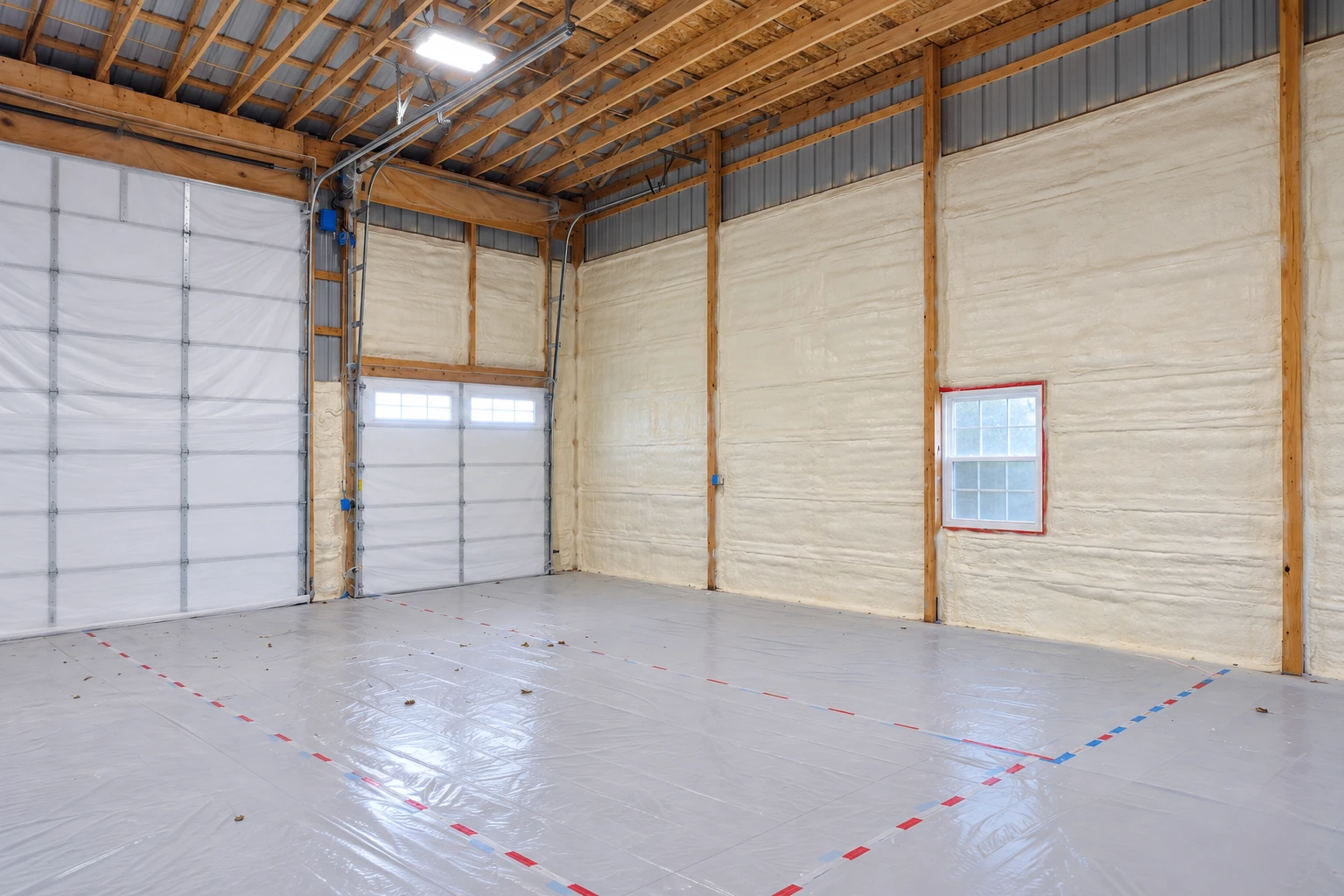
Commercial insulation
Property managers call us for offices, rental units and shared buildings. We plan the work around tenants and business hours so the space keeps running while we're in it.
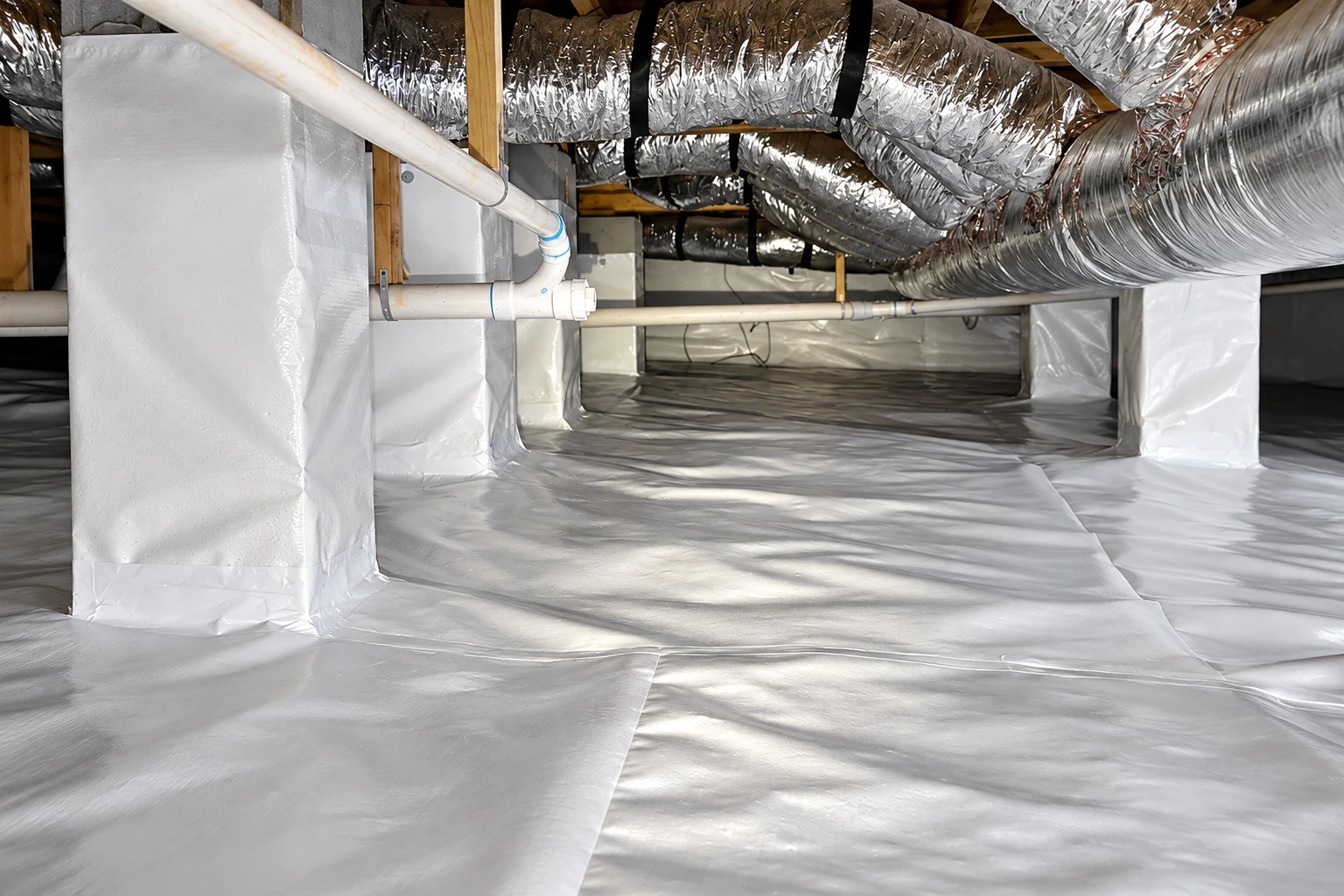
Crawl space vapor barrier
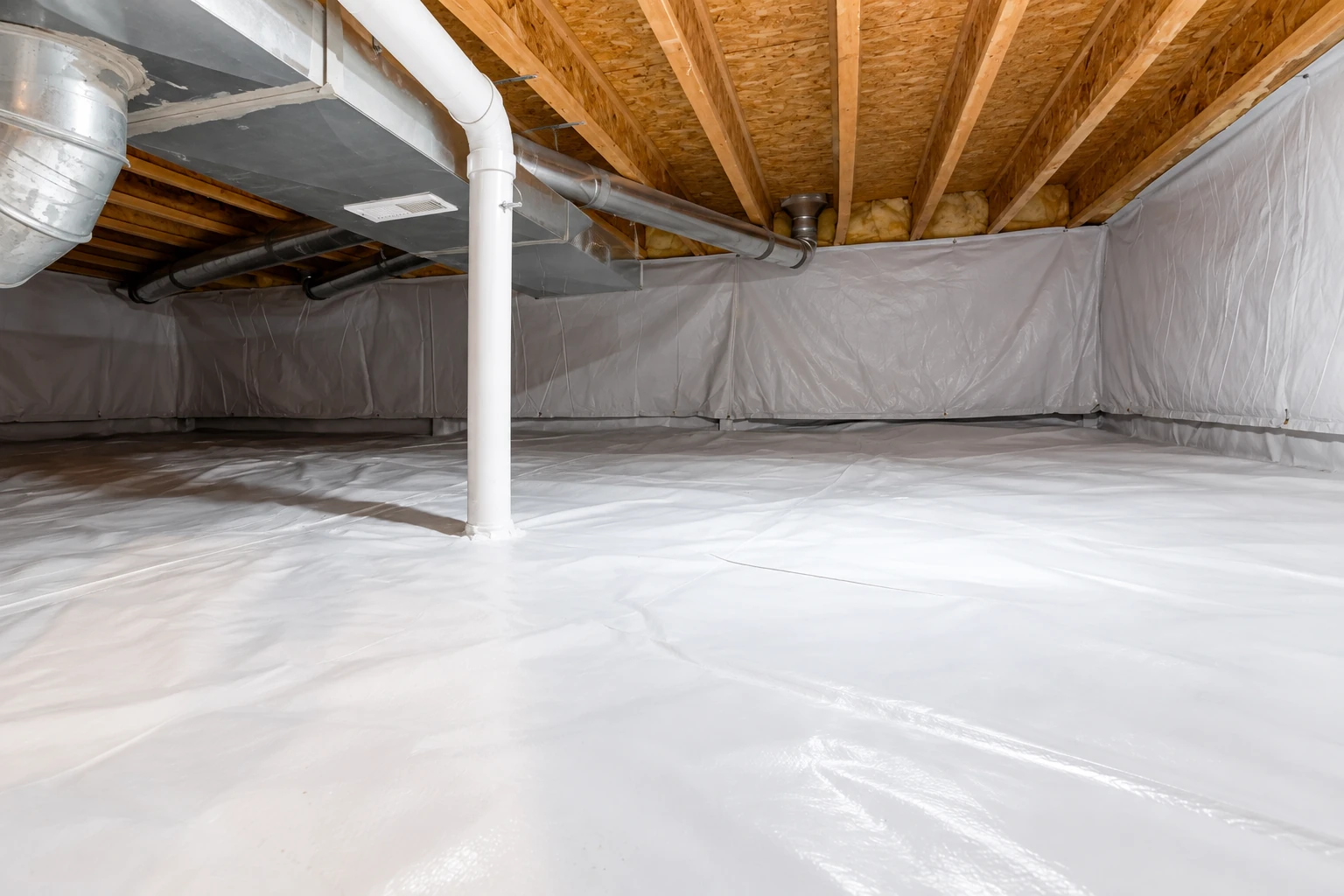
A crawl space vapor barrier is a heavy plastic sheet laid over the dirt, so ground moisture stays down there instead of soaking into the floor framing and insulation above it.
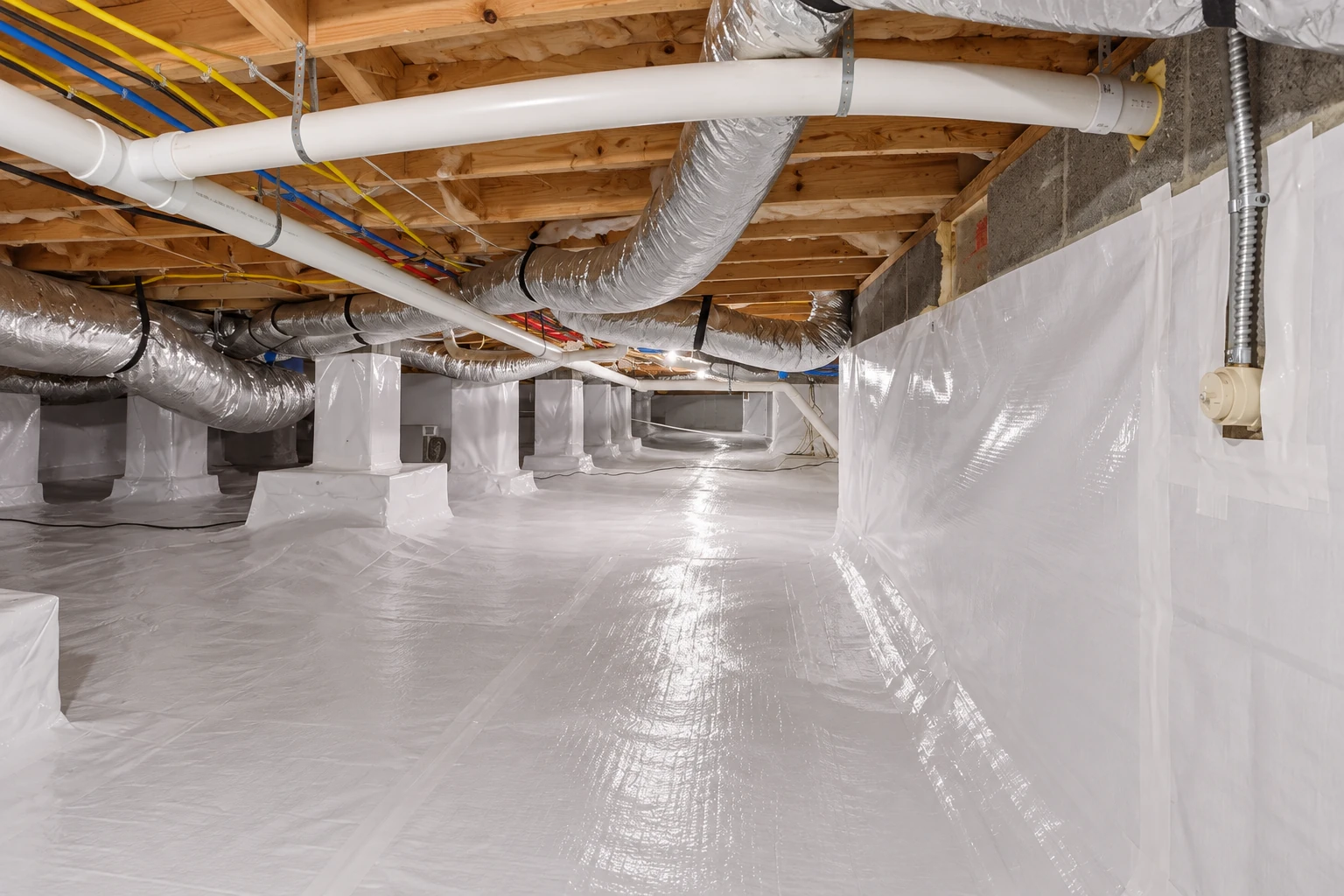
Vapor barrier installation
Where does the vapor barrier go? It depends on the wall, floor or ceiling, and we put it on the side that keeps moisture out of the insulation instead of trapping it inside.
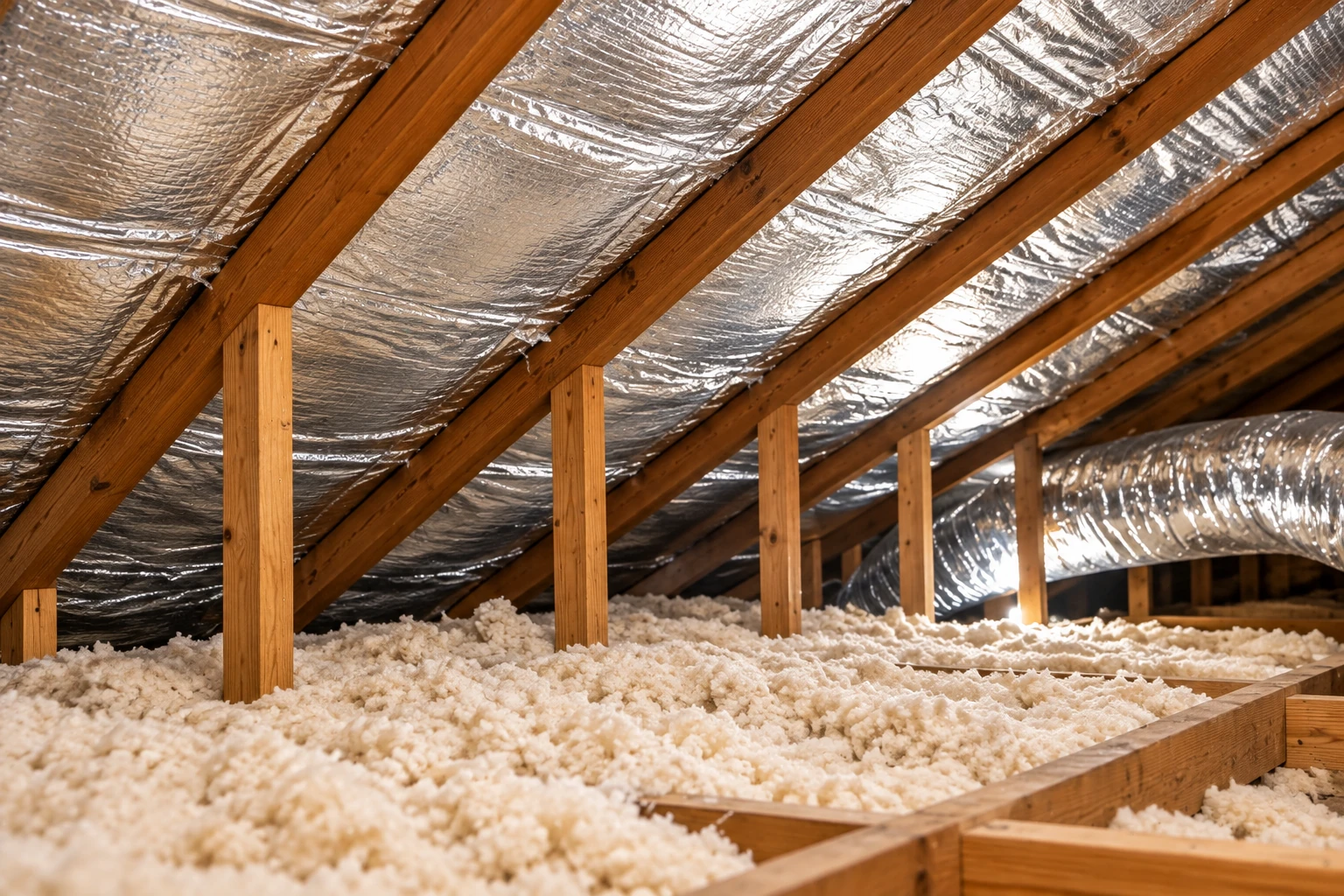
Attic air sealing
We seal the gaps around can lights, plumbing stacks, wiring holes and the attic hatch before new insulation goes down. That way the insulation isn't fighting a draft from the rooms below.
Retrofit insulation
Retrofit insulation adds to an older house without a remodel, usually by blowing fill into closed walls through small holes and topping up the attic. It's for homes built when insulation wasn't much of a priority.
What you can expect when you call us
Insulation is easy to cover up and hard to check once it's in, so how the job is handled matters as much as the material. Here's how we handle ours.
The person who looks at your job plans it
I come out to look at your attic myself, and our own crew does the work. Nothing gets lost between what I saw on the estimate and what goes in on install day.
An estimate you can compare line by line
Your estimate breaks out the prep, the sealing and the insulation as separate lines. That makes it easy to line up against other quotes and see what each one actually includes.
We tell you when it isn't our job
If I find a roof leak or old insulation that looks suspect, I tell you plainly and point you to the right trade instead of working around it. I'd rather tell you a job isn't worth doing than sell you something you don't need.
Permits checked with your city's building office
Permit questions belong to each city's building office, so we check with them about your job. When a permit is needed, we take care of it, and in Aliso Viejo that office is the city's Building & Safety department.
Why the order of the work matters
We work in a set order because each step depends on the one before it. First we check what's up there and pull out anything soaked or full of droppings, since new insulation on top just hides the problem. Then we seal the gaps around can lights, pipes and the hatch so the insulation isn't fighting a draft. Last, we insulate, keeping the eave vents clear so the attic keeps breathing and moisture stays out of the framing, and bringing the edges up as deep as the middle, where most crews leave them thin.
Foam or loose fill? Foam costs more, and it seals air while it insulates. For most attics, I'd seal the gaps by hand and top up with blown-in fill, because that usually comes out ahead for the money. The exception is an attic with the ductwork running through it, where foam usually earns its higher price.
A look at insulation work
Service areas
We're based in Aliso Viejo and work in cities across Orange County, including the ones listed here and plenty more nearby. A lot of the homes we get into around here still have the attic insulation they were built with, settled thin and never sealed, so the work looks much the same from one city to the next.
Tell us what's going on in your house
Send the form here or on our contact page, or call (949) 619-8040, and tell me which rooms run hot or what you've noticed in the attic. We get back to you within one business day to set a time, and I come out to look at the space myself. The estimate is free, there's no obligation to book, and you get my written notes on what has to happen first.
(949) 619-8040If a room upstairs never cools down, call (949) 619-8040 and we'll set up a time to look at the attic.
Tell us about your project